
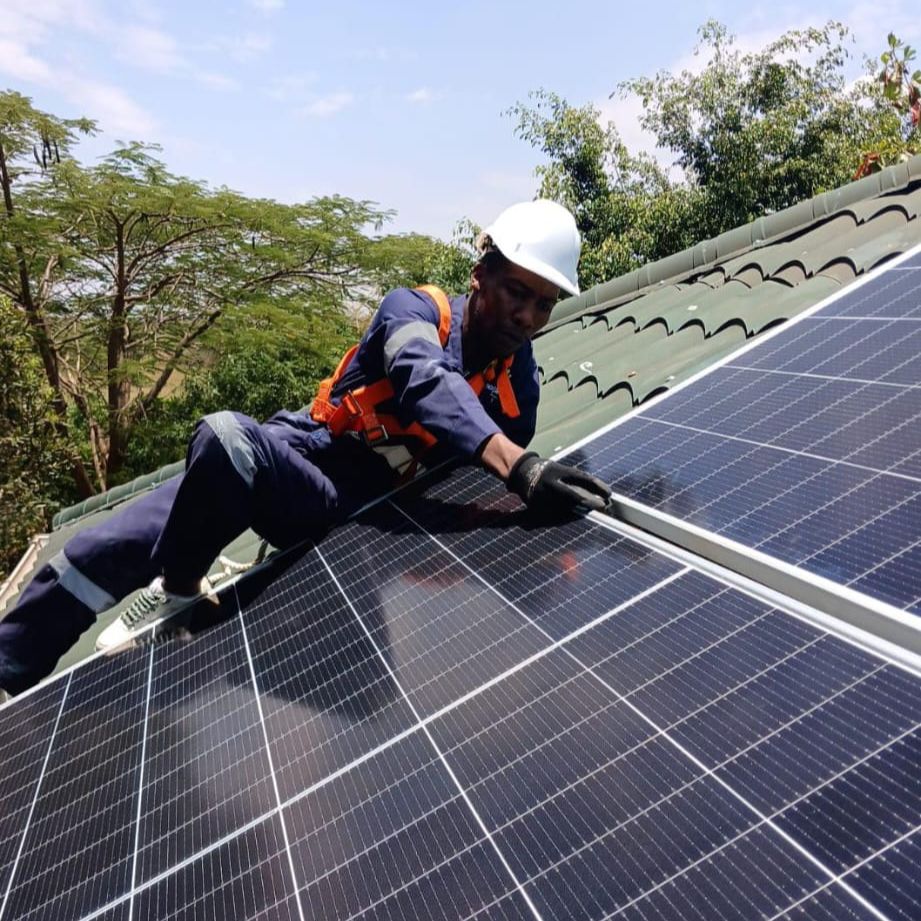
About Solar NCBA Financing
• NCBA Bank Kenya introduced Solar Leasing/Financing in October 2023 to help businesses invest in renewable energy solutions, particularly solar power systems.
• The program enables companies to install solar energy systems and repay the cost gradually through structured financing or leasing arrangements rather than making a large upfront capital investment.
• This financing model helps businesses reduce operational costs, especially electricity expenses that come from the national grid.
• The initiative also supports Kenya’s transition toward renewable and sustainable energy sources, helping businesses reduce their carbon footprint and environmental impact.
• Businesses can access financing for solar equipment such as solar panels, inverters, batteries, mounting structures, and installation services.
• The financing solution is designed to be flexible, allowing repayment periods that match the cash flow of the business.
• In November 2024, Megawatt Energies Ltd partnered with NCBA Bank Kenya to expand access to clean energy solutions for businesses.
• Through this partnership, Megawatt Energies Ltd works with resellers, EPC contractors (Engineering, Procurement, and Construction providers), and end users to supply and install solar systems financed through NCBA.
• The collaboration aims to increase adoption of solar power among small and medium-sized enterprises (SMEs) and other commercial energy users.
• The program also helps businesses achieve energy independence and protection against rising electricity tariffs.
• Additionally, solar financing contributes to improved business sustainability and long-term cost savings.
PROCEDURE OF APPLYING FOR NCBA SOLAR LEASING/FINANCING PROGRAMME
Step 1 : Enquiry
The client/solar beneficiary individual makes an enquiry to NCBA to discuss energy requirements and project scope
Step 2 : Application submission
The client complete Asset Finance Application form and provide the necessary KYC Documents e.g. National ID,KRA Pin, Business permits, Trading licenses etc.
Step 3 : Technical Valuation
Once the financing/solar lease agreement is approved,NCBA becomes the legal owner of the solar equipment during lease tenure ,Vendors conduct a technical assessment of the site to determine the appropriate solar PV System size and Cost
Step 4 : Financial Review/and issuing of LPO
NCBA Reviews the application based on your business existing stream eg Cash flows, projected income streams and Financial position, once financial review is completed and found satisfactory NCBA issues an LPO to the EPC(Solar installing company)
Step 5 : Supply, Installation and Commissioning
Solar distributor company e.g. Megawatt energies Supplies products through an approved installer eg an EPC who proceeds to do installation and commissioning for the client thereafter a certificate is issued for successful installation ,NCBA proceeds to fund 100% of the project including cost of item supplies(panels, batteries etc.) and labor(installation,commissioning,Engineering and design)
Step 6 : Payments
Solar distributor company or an EPC issues an invoice to request for payment,NCBA therefore pays the full cost after successful installation
Step 4 : Financial Review/and issuing of LPO
NCBA Reviews the application based on your business existing stream eg Cash flows, projected income streams and Financial position, once financial review is completed and found satisfactory NCBA issues an LPO to the EPC(Solar installing company)
Step 7 : Lease Payment
The lessee/client pays monthly lease installment payment to NCBA for over 5-10 years to cover the full cost plus interest at an interest rate of 14% p.a on reducing balance
Step 6 : Solar distributor
Solar distributor company or an EPC issues an invoice to request for payment,NCBA therefore pays the full cost after successful installation
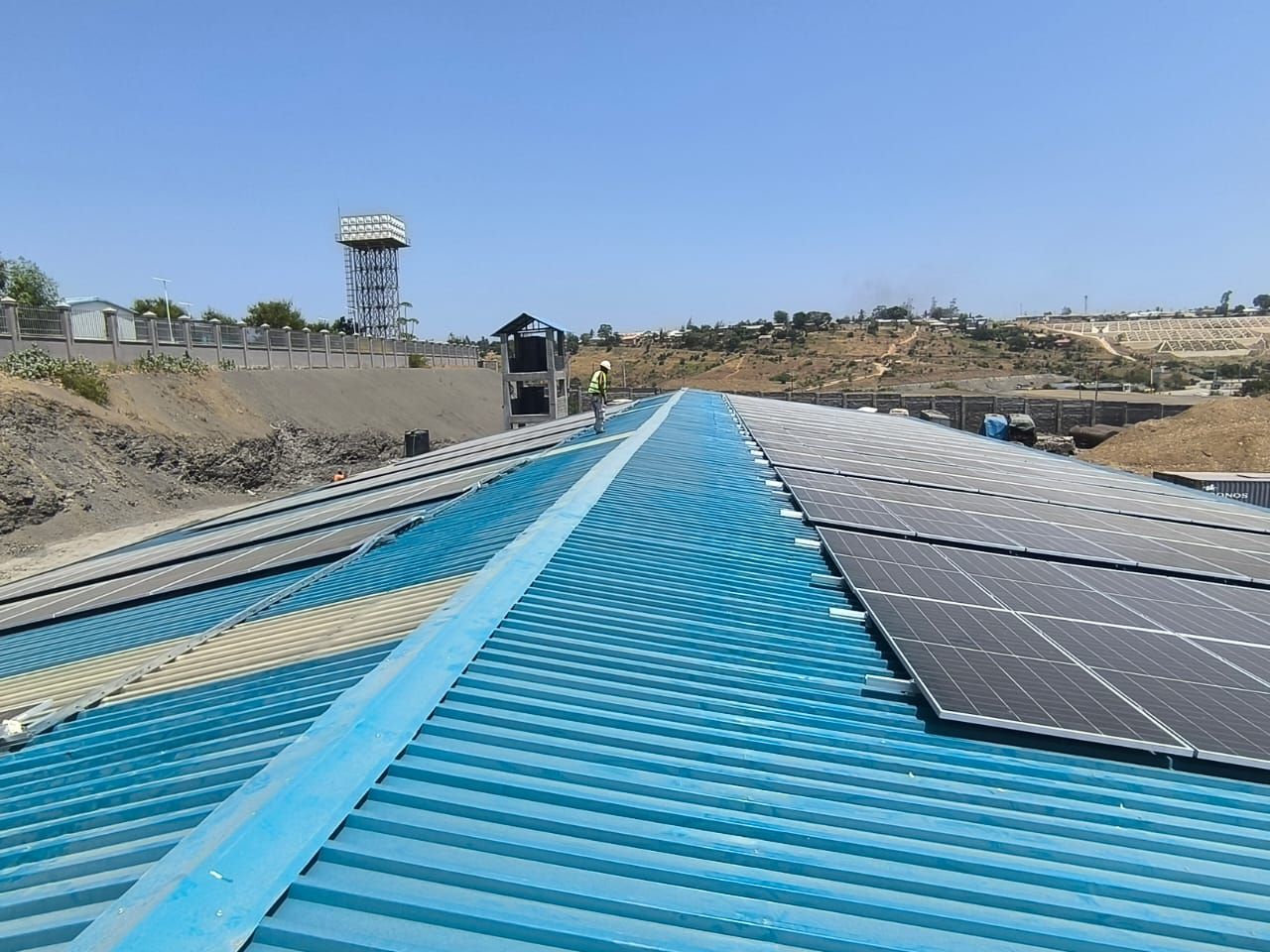
BENEFITS OF NCBA SOLAR LEASING PROGRAMME
- Enquiry-The client/solar beneficiary individual makes an enquiry to NCBA to discuss energy requirements and project scope
- Predictable Monthly Payments-Payments are structured over the loan period, therefore Helps with cash flow planning since you know exactly what to pay each month.
- Access to Renewable Energy-Reduces dependence on grid electricity and unstable power supply.
- Cost Savings-Reduces electricity bills from the grid.
- Professional Installation and Maintenance
- Preservation of working capital
- Potential Tax Benefits-Businesses may claim capital allowances or tax deductions on renewable energy investments
CONSEQUENCES OF FAILURE TO REPAY NCBA SOLAR FINANCING
- Accumulation of Penalties and Interest-When payments are not made on time, the bank may charge penalty fees and additional interest on the overdue amount. This increases the total cost the client must repay.
- Damage to Credit History-Failure to repay the loan may lead to a negative credit record with the Credit Reference Bureau. This can make it difficult for the client to obtain future loans or financing from banks and other financial institutions.
- Repossession of Solar Equipment-Since the solar system is financed through leasing, ownership remains with the bank during the lease period. If the client defaults on payments, NCBA Bank Kenya may repossess the solar equipment.
- Legal Action-Persistent failure to make payments may result in legal action by the bank to recover the outstanding loan balance. This could involve court proceedings and additional legal costs.
- Interruption of Business Operations-If the solar equipment is repossessed or disconnected due to non-payment, the business may lose its source of solar power, forcing it to rely on more expensive electricity sources or disrupting operations.
- Loss of Business Reputation-Defaulting on financial obligations may harm the client’s reputation with financial institutions, suppliers, and partners, making it harder to build trust in future business dealings.
- Reduced Access to Future Financing-Banks may classify the client as high-risk, which could limit their ability to access future credit facilities, asset financing, or business loans.